Categories
Animal Emotions Applied Ethology Ethics Weathering scepticism

My problems with the Constructed Theory of Emotions

Updated June 2024

I finally finished reading a book.

It took me three years to read.

Three.

Years.

And it’s not because I’m a slow reader. I plowed through Brandon Sanderson’s 1100-page brick The Way of Kings in less than a day. So why, then, did this particular book take me so long?

Well, before I tell you, let me frame the context.

It’s a book that’s getting a lot of traction amongst animal trainers lately, specifically amongst the behaviour analytic crowd.

The book is called How Emotions Are Made, and it’s by Lisa Feldman Barrett, a professor of Psychology and a neuroscientist. In the book she makes a big, and in many peoples’ eyes, compelling, case of emotions being constructed rather than innate.
So, many behaviour analysts love the book, and I feel like a complete dissenter in that crowd, because while they’re all nodding in agreement, I shake my head thinking that some of the main conclusions in the book are seriously flawed.
Swimming against the behaviour analytical crowd

We’ll get to my objections in a minute, but let’s start with: what is the central idea behind the Constructed Theory of Emotions?
Categories
Animal Emotions

Talking to animals

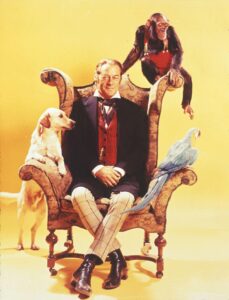
When I was little, I became mesmerized by Dr Dolittle.

Dr Dolittle could talk to animals. He’d ask them questions, they’d vocalize, he’d nod wisely and translate their chirps, whistles, woofs and meows to plain English, to the astonishment of those present.

It was my all-time favourite movie, when I was nine.

(Credit Image: SNAP)

Side-note: the 2,5-hour film from 1967 was broadcast on TV at a time in the evening when I was supposed to go to bed about three-quarters of the way through. So after one hour and 45 minutes, dad said: “time to go to bed, Karolina”.

And I pleaded. Threatened. Screamed.

To no avail; there were to be no exceptions to that bedtime hour. I remember being lead to my room, still protesting loudly. And then I spent several hours having a loud and ugly meltdown alone in my room, way past the time that the film ended, and at some point somewhat triumphantly shrieking at the door: “If only you’d let me watch the whole film I’d be asleep by now!!!”

Categories
Animal Emotions Animal Training Applied Ethology

Animal Welfare and her fairy godmothers

Updated August 2023

Once upon a time there was a princess.

She was quite furry and partly covered in scales, and also had a beak, and so she was named Animal.

Her last name was Welfare.

Animal Welfare had four fairy godmothers, who all gave her precious gifts.

The Fairy Godmothers of Animal Welfare

The fairy godmothers came from different scientific realms, and they were called Applied Ethology, Veterinary Medicine, Affective Neuroscience and Applied Behaviour Analysis – and each of them offered priceless, irreplaceable gifts to Animal Welfare.

And here’s the twist of this fairy tale:

Categories
Animal Emotions Animal Training

How aversives and distractors can muck up your animal training

Is this familiar?

Your cat comes when called in the kitchen, but not in the garden.

Does the kitty ignore your recall in distracting environments?

Or your horse loads beautifully into the old trailer, but refuses to set hoof in the brand new one.

Or your dog sits on cue anywhere but in the vet’s office.

This problem could be about either (or both) of two issues:

  • You haven’t successfully communicated to the animal what you want him to do
  • The animal isn’t motivated to do what you’re asking

In order to successfully get behaviour in all contexts, you need to address both Communication and Motivation.

Categories
Animal Emotions

How good are you at assessing your animal’s emotional state?

I recently did a little experiment on Facebook.

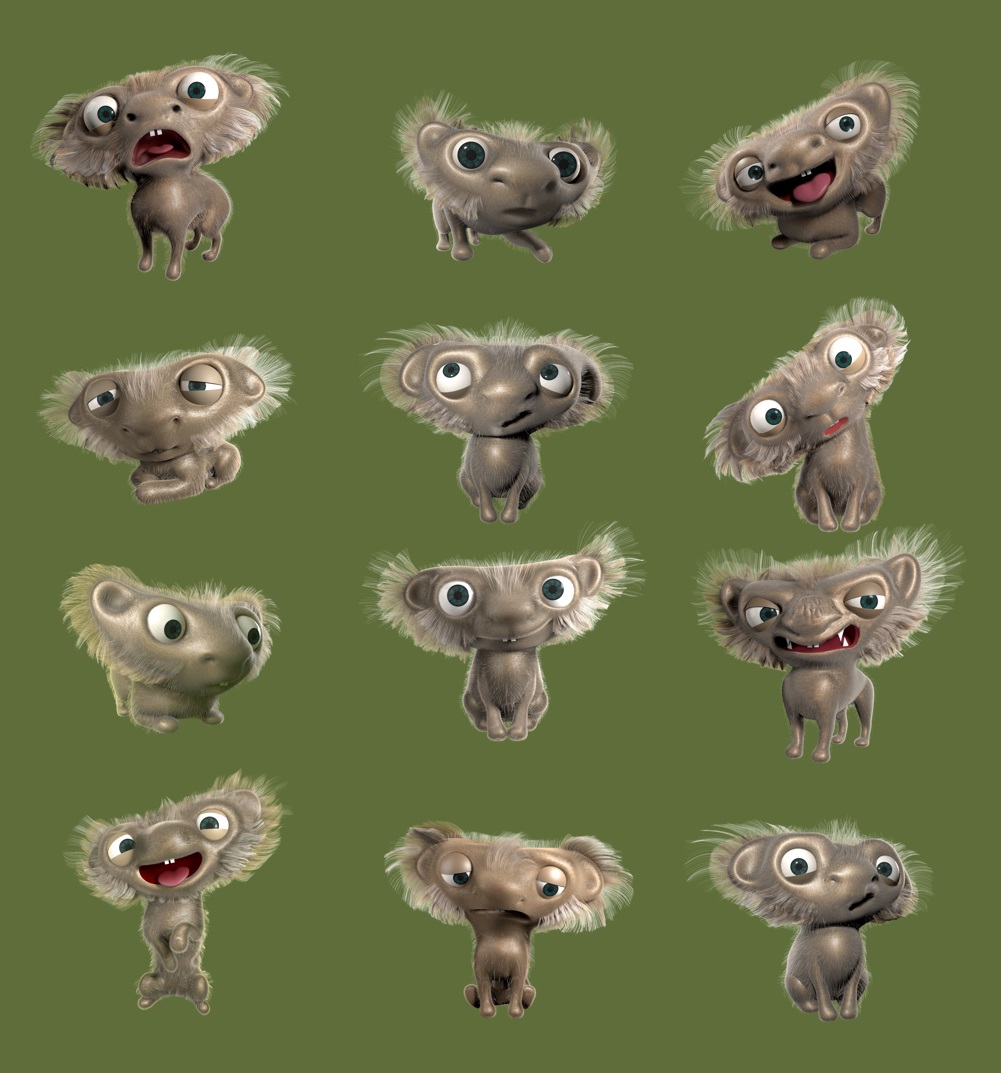
First, my friends and followers helped me name the company’s new mascot, and they also told me what species he was.

Apparently, he’s a racado (rat-cat-dog), and his name is Willis.

The experiment that many people helpfully participated in consisted of assessing his emotional state in different images on my Facebook page.

Meet Willis. What emotional states is he in?

I must admit, not all my friends and followers saw the point in this exercise – I intentionally didn’t explain where I wanted to go with the little experiment. Someone said she thought it was plain silly and expressed her disappointment in no uncertain terms.

Categories
Animal Emotions Interview Problem Solving

Separation anxiety – an interview with Eva Bertilsson

Separation anxiety, or to be more precise, separation-related problem behaviour (not necessarily caused by anxiety), is common in dogs.

About 50% of family dogs will show problem behaviour, related to separations, at some point in their lives.
  • What do we know about this phenomenon? Which dogs show it, and when?
  • What can we do to prevent, reduce or eliminate it?