A while back, I was invited to a podcast with Sonia Jahshan and Simon Bags from the Sonia & Simon pod.
I thought our discussion was worth sharing, so without further ado, here it is:
A while back, I was invited to a podcast with Sonia Jahshan and Simon Bags from the Sonia & Simon pod.
I thought our discussion was worth sharing, so without further ado, here it is:
I was recently invited for an interview for Radio Tacoma’s series Ain’t Misbehaving with Dr Louisa Beal, a veterinarian with a special interest in behaviour.
In this discussion, we talk about:
I was invited to revisit one of my favorite online conferences, KIENO.
If that sounds like Japanese to you, know that it’s an acronym for Kindness Is Essential, Not Optional.
I thought I’d share the discussion I had with Holly Tett, the organizer, on the topic of How an Applied Ethologist Looks At How We Care For Dogs.
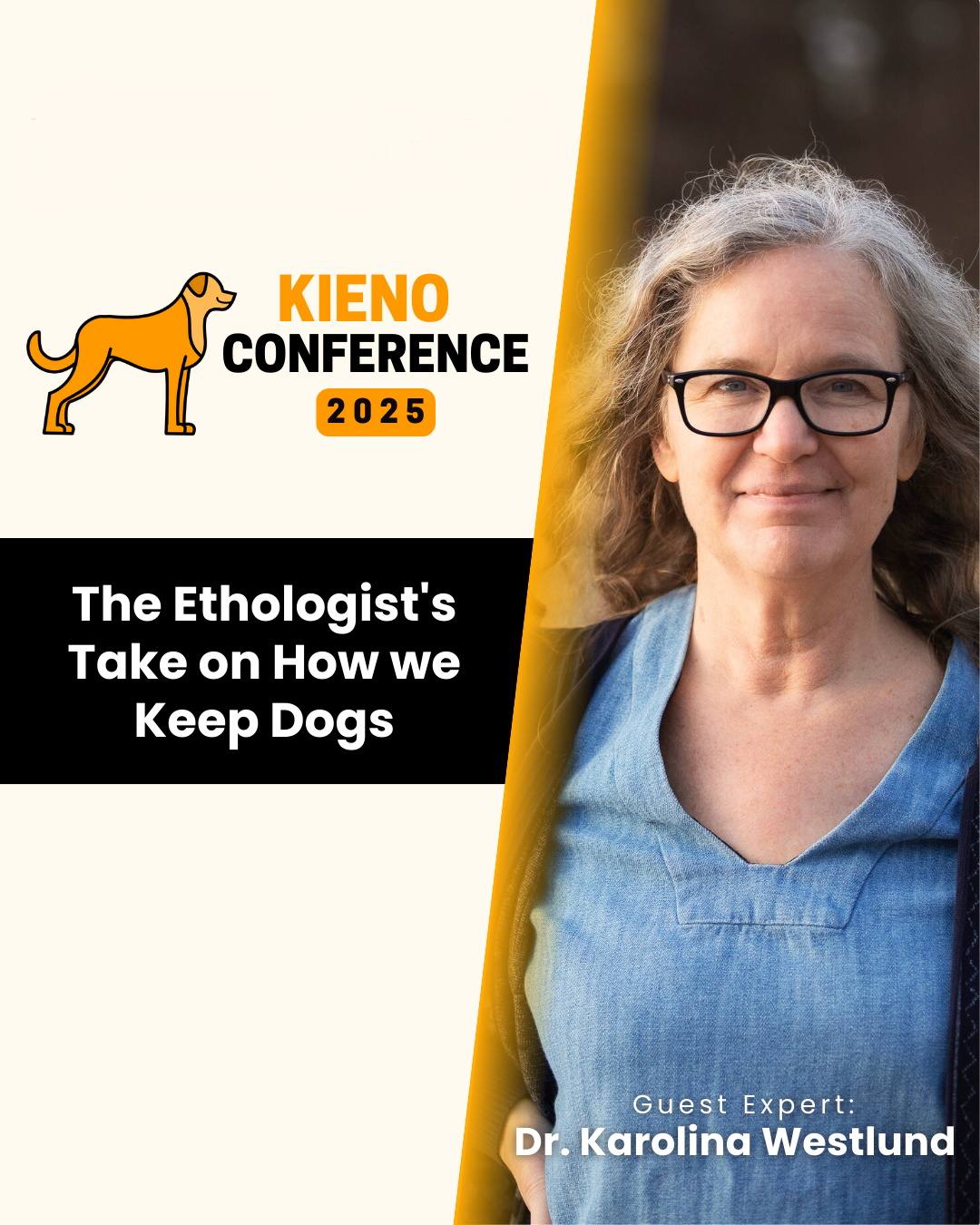
In our 40-minute talk, we discussed the following:
Many animal behaviour consultants abhor labels.
They consider them not just pointless, but disastrous, and many of them wouldn’t be caught dead using labels.
You might think I’m exaggerating for dramatic effect, and yes, I do have a penchant for hyperbole so it is entirely possible… but sometimes I do wonder.
As an ethologist, I had merrily been using labels for decades without even realizing that they could be problematic. It was not until I started hanging out with behaviour analysts that it was pointed out to me.
I had two main reactions to that insight:
When are labels useful? Well, as is the case with literally everything related to animals and their behaviour, it depends on the context.
Labels are sometimes useful, sometimes irrelevant, and sometimes harmful.
I can think of three useful types of label, and one label type that is harmful. And yet, the harmful labels are getting all the attention!
Updated June 2024
I finally finished reading a book.
It took me three years to read.
Three.
Years.
And it’s not because I’m a slow reader. I plowed through Brandon Sanderson’s 1100-page brick The Way of Kings in less than a day. So why, then, did this particular book take me so long?
Well, before I tell you, let me frame the context.
It’s a book that’s getting a lot of traction amongst animal trainers lately, specifically amongst the behaviour analytic crowd.
The book is called How Emotions Are Made, and it’s by Lisa Feldman Barrett, a professor of Psychology and a neuroscientist. In the book she makes a big, and in many peoples’ eyes, compelling, case of emotions being constructed rather than innate.
So, many behaviour analysts love the book, and I feel like a complete dissenter in that crowd, because while they’re all nodding in agreement, I shake my head thinking that some of the main conclusions in the book are seriously flawed.
We’ll get to my objections in a minute, but let’s start with: what is the central idea behind the Constructed Theory of Emotions?
Updated August 2023
Once upon a time there was a princess.
She was quite furry and partly covered in scales, and also had a beak, and so she was named Animal.
Her last name was Welfare.
Animal Welfare had four fairy godmothers, who all gave her precious gifts.
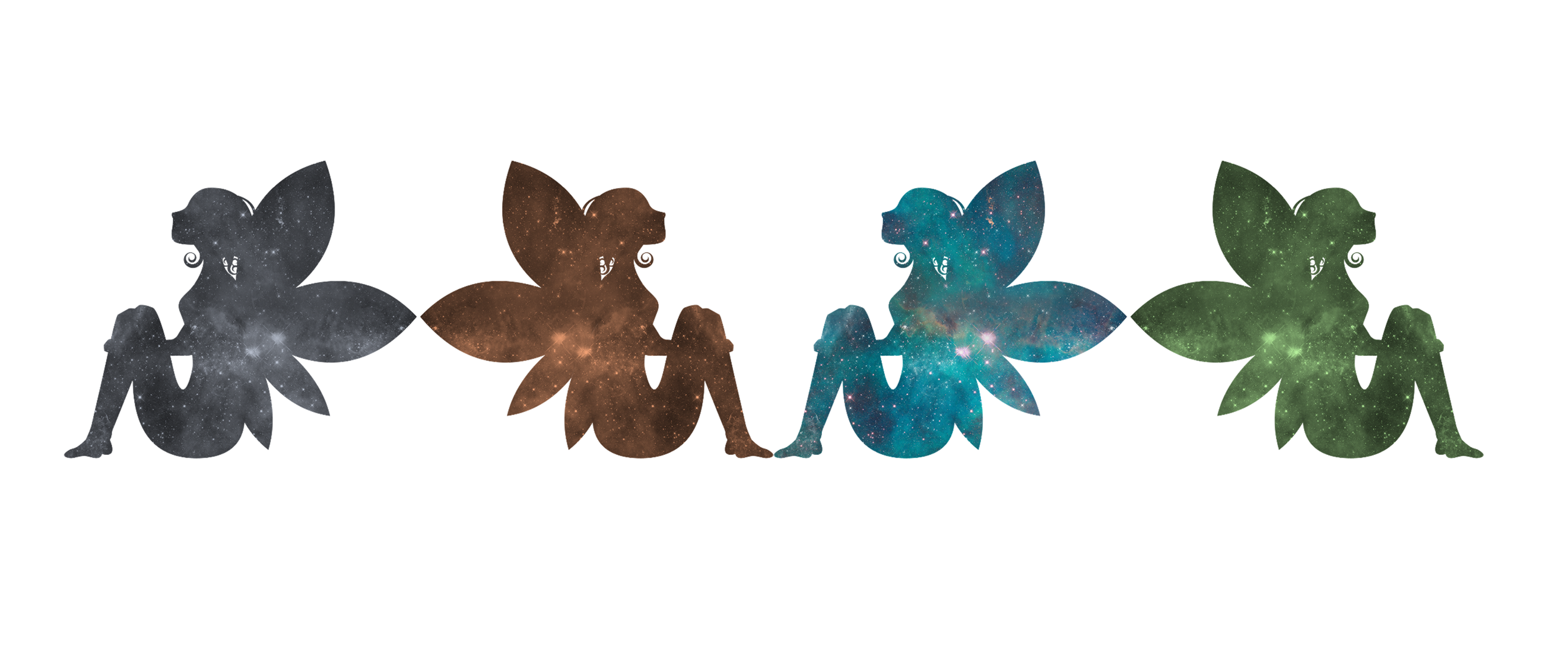
The fairy godmothers came from different scientific realms, and they were called Applied Ethology, Veterinary Medicine, Affective Neuroscience and Applied Behaviour Analysis – and each of them offered priceless, irreplaceable gifts to Animal Welfare.
And here’s the twist of this fairy tale: